7.5 C
Madrid
miércoles, noviembre 25, 2026
spot_img
Inicio Blog Página 48

Acquia Cloud para Drupal recibe la aprobación del gobierno a través de la certificación FISMA

0
Acquia Cloud para Drupal recibe la aprobación del gobierno a través de la certificación FISMA

Acquia, una empresa de software comercial que ofrece productos, servicios y soporte técnico de nivel empresarial para el sistema de publicación social de código abierto Drupal, alcanzó recientemente un nuevo hito al confirmar la capacidad de su empresa para proporcionar servicios de alojamiento seguro para sitios web gubernamentales y comunidades en línea. Hoy, la compañía anunció que recibió una autorización FISMA para operar (ATO) para Acquia Cloud.

Drupal es el sistema de gestión de contenido de código abierto utilizado por el 24 % de todos los sitios web .Gov. Algunos ejemplos de sitios del gobierno federal de EE. UU. que actualmente se ejecutan en Drupal incluyen el Departamento de Comercio, la Casa Blanca, el Departamento de Educación y el Departamento de Energía. La certificación convierte a Acquia en el primer proveedor en ofrecer un servicio de hospedaje Drupal de clase empresarial certificado por FISMA moderado, donde la aplicación Drupal y la infraestructura de hospedaje son compatibles.

FISMA y sus publicaciones asociadas del Instituto Nacional de Estándares y Tecnología (NIST) establecen estándares clave con respecto a la seguridad del sistema y pautas para evaluar, seleccionar y monitorear los controles de seguridad. El cumplimiento de FISMA facilita que las agencias federales rediseñen sus sitios web utilizando Drupal, al tiempo que garantiza el cumplimiento de estrictos estándares de seguridad y ahorro de costos cuando se ejecuta en la plataforma en la nube como servicio (PaaS) de Acquia. Acquia Cloud se basa en Amazon Web Services (AWS) y utiliza Amazon Elastic Compute Cloud (Amazon EC2), que ya recibió una FISMA ATO moderada.

“El enfoque estratégico de AWS para servir al sector público incluye trabajar con organizaciones que comparten los mismos estándares y objetivos de cumplimiento agresivos”, dijo Teresa Carlson, vicepresidenta del sector público global de Amazon Web Services. «Estamos entusiasmados de que Acquia continúe innovando al proporcionar a nuestros clientes software basado en la nube de AWS para que puedan disfrutar de servicios seguros, escalables y rentables».

Acquia se compromete a trabajar con empresas como AWS para superar las altas expectativas que las agencias federales tienen sobre la seguridad y la disponibilidad de la nube. Además, la certificación FISMA Moderate ATO demuestra la capacidad de Acquia para seguir el proceso de acreditación más estricto en beneficio de sus clientes.

«Estamos totalmente comprometidos a garantizar que las agencias gubernamentales puedan confiar en Acquia para mitigar los riesgos percibidos de pasar a una infraestructura basada en la nube», dijo Tom Erickson, director ejecutivo de Acquia. “Al obtener el ATO moderado de FISMA, Acquia ahora se encuentra en la intersección de tres iniciativas críticas para las organizaciones gubernamentales: usar software de código abierto para acelerar la innovación; ganar rentabilidad moviéndose a la nube; y velar por el cumplimiento de las normas gubernamentales, asegurando niveles adecuados de seguridad y control.

«Este esfuerzo demuestra el compromiso de Acquia de superar las altas expectativas de seguridad y disponibilidad de la nube de nuestros clientes federales, así como nuestra capacidad para completar con éxito el riguroso proceso de acreditación», dijo Mike Lemire, director de seguridad de la información de Acquia.

BridgerPay es socio de PrestaShop e introduce un módulo para comerciantes

0
Introducción a la integración con las principales plataformas de comercio electrónico

La plataforma de pagos con sede en Chipre BridgerPay se ha asociado con la plataforma de comercio electrónico PrestaShop, lanzando un nuevo módulo para que los comerciantes de comercio electrónico escalen los pagos.

PrestaShop es una plataforma de comercio electrónico con personalización y escalabilidad. Con casi 300.000 sitios web que ya utilizan su software en todo el mundo, es una solución de comercio electrónico de código abierto en Europa y América Latina. BridgerPay agrega una nueva dimensión a la intuición del CMS, brindando a los comerciantes más control sobre sus pagos, incluidos los reembolsos.

La asociación, junto con el proceso de integración de comerciantes de autoservicio, permitirá a los comerciantes de PrestaShop escalar su tienda y aumentar las ventas, resolver los problemas de pago que puedan enfrentar sus comerciantes y proporcionar una tecnología de oferta flexible de arrastrar y soltar para la automatización de pagos que ayuda a la La plataforma de comercio electrónico sirve de manera más efectiva a las regiones que actualmente están desatendidas desde una perspectiva de pagos y ayuda a los comerciantes a escalar más rápido.

BridgerPay ya es la integración de pago predeterminada de PrestaShop en 17 países en 4 continentes. Los representantes de la empresa de la plataforma de pago afirmaron que esta es una oportunidad para todos los comerciantes, pero especialmente para aquellos en regiones desatendidas por los proveedores de pago. BridgerPay puede encontrar, conectar y optimizar proveedores de pago para cualquier comerciante e impulsar su crecimiento.

El módulo de BridgerPay está actualmente activo en el mercado de PrestaShop y también se puede acceder a través del inicio de sesión automático de la empresa, donde cualquier comerciante puede crear una cuenta gratuita, activar su módulo y conectar sus procesadores en minutos.

3 claves para construir un negocio de comercio electrónico creado para el crecimiento

0
3 claves para construir un negocio de comercio electrónico creado para el crecimiento

Las opiniones expresadas por los colaboradores de Entrepreneur son propias.

La industria del comercio electrónico está en auge, con muchas marcas directas al consumidor que registran cifras récord de ingresos a lo largo de 2020 y el primer trimestre de 2021. La pandemia mundial ha contribuido en gran medida a esto, y muchos consumidores no tienen más remedio que comprar en línea y muchas compras de artículos en línea. por aburrimiento.

La oportunidad solo aumentará, plataformas como Shopify crean una barrera de entrada extremadamente baja. Como puede imaginar, todos y sus hermanos tienen una «marca» de comercio electrónico en estos días, pero la mayoría de las ventas en línea no generan suficientes ingresos para cubrir el alojamiento.

Relacionado: Cómo un negocio de comercio electrónico pasó de unicornio a pececito

La competencia en línea es feroz y, además de los factores de sentido común (vender un producto estrella a un precio atractivo y saber cómo comercializar dicho producto), hay otras cosas importantes a considerar.

Si ha iniciado recientemente un negocio de comercio electrónico o está considerando hacerlo, aquí hay algunas claves para un crecimiento ilimitado a las que debe prestar atención, ya que pueden tener un gran impacto en el potencial de su marca.

Invierte en tu stack tecnológico

A medida que crezca su marca de comercio electrónico, necesitará una pila de tecnología que respalde su crecimiento y volumen. Aunque Shopify es una gran plataforma de comercio electrónico, su funcionalidad es bastante básica en comparación con lo que está disponible.

¿Acaba de empezar? Por lo tanto, Shopify es increíble y puede agregar aplicaciones y soluciones SaaS lentamente para ayudar a que su negocio crezca. No tenga miedo de invertir en su tecnología. El plan básico de Shopify, por ejemplo, cuesta $ 29 por mes, mientras que sus planes Shopify Plus comienzan en $ 2,000 por mes.

Puede parecer un aumento drástico en el costo, pero cuando mira detrás de la cortina y ve los datos, los análisis, los informes y la funcionalidad diseñados para un crecimiento masivo, comprende que el costo está justificado y debe ser recibido con los brazos abiertos por las marcas de posición. para utilizar estas funciones.

La plataforma de marketing de mi empresa está diseñada para brindar las mejores características y datos a nuestros usuarios, ayudándolos a escalar sin límites. La tecnología de comercio electrónico está en constante evolución y, si desea crecer, debe aprovechar todas las oportunidades para recopilar, medir y reorientar tantos puntos de datos como sea posible.

Relacionado: 3 momentos en el viaje de compras en línea cuando su empresa pierde clientes

Centrarse en los ingresos para impulsar el crecimiento

Se necesita dinero para impulsar el crecimiento, especialmente si fabrica productos en el extranjero y su tiempo de entrega es de 30 a 120 días, como es el caso de muchos productos. Muchas marcas que fabrican en el extranjero gastan dinero con meses de anticipación antes de que su inventario llegue a suelo estadounidense.

Incluso un modelo de dropshipping requiere dinero, porque los dólares de marketing son esenciales. La mayoría de los productos de dropshipping tienen una vida útil corta, por lo que es importante crecer rápidamente y maximizar cada producto introducido en el inventario disponible de su tienda.

En última instancia, necesita ingresos para impulsar el crecimiento. La forma en que alimenta ese fuego depende del tipo de negocio de comercio electrónico que esté construyendo. Permítanme explicar dos escenarios como ejemplos.

Dropshipping: si tiene un proveedor confiable y un proceso de cumplimiento establecido, su objetivo principal es generar la mayor cantidad de ventas posible. Su «negocio» es esencialmente un esfuerzo de marketing y marca, mientras que su proveedor maneja todas las operaciones de back-end, desde la producción hasta el cumplimiento de pedidos.

En esta situación, puede canalizar sus ganancias hacia el negocio para acelerar la compra de anuncios, así como aprovechar una línea de crédito para echar gasolina extra al fuego. No tiene inventario para comprar y sus gastos generales son menores, lo que crea un riesgo financiero mucho menor.

Marca privada a largo plazo: si está construyendo una marca a largo plazo que espera quedarse, evitaría las deudas y me concentraría en comenzar. Una etiqueta privada generalmente significa que tiene costos de fabricación, almacenamiento y cumplimiento, además de más salarios y gastos que con un modelo de envío directo.

Si el crecimiento ocurre unos meses más tarde, pero lo deja operando con un estrés financiero adicional, la espera vale la pena. Está el escalado rápido inteligente y las estrategias arriesgadas de escalado rápido. Entienda la diferencia y proceda de acuerdo a su nivel de comodidad.

Relacionado: ¿Busca ingresar al comercio electrónico? Aquí hay 3 cosas que hacer antes de empezar.

Concéntrese en construir una marca que a los consumidores les encante

Descubra algunas de las marcas de comercio electrónico más exitosas en las industrias de indumentaria, cuidado bucal y salud. Hay una competencia increíble, literalmente cientos de marcas. Entonces, ¿por qué prosperan algunas marcas mientras que otras que ofrecen esencialmente los mismos productos desaparecen cuando se pone el sol?

Crean marcas que los consumidores adoran. Cuando se establece esa conexión, crea clientes leales que le comprarán una y otra vez simplemente porque les gusta su marca, ya sea su empaque, su mensaje o una determinada causa social que apoya. .

Las marcas de comercio electrónico que simplemente envían correos electrónicos a sus clientes cuando quieren ofrecer una venta o solo publican contenido promocional en las redes sociales se están perdiendo y nunca alcanzarán todo su potencial.

Las marcas que se esfuerzan por construir una comunidad, interactúan con sus clientes de una manera no promocional y tienen en cuenta los comentarios, finalmente ganan. Por supuesto, tener un gran producto es importante, pero debe hacer un esfuerzo valiente para diferenciar su marca de otras opciones.

Relacionado: Dropshipping o White Label: ¿Cuál es el adecuado para ti?

WordPress vs Drupal vs Joomla: ¿Qué creador de sitios web de código abierto es mejor para usted? – Absolute Gadget

0
Elegir el mejor creador de sitios web de código abierto para usted

Elegir el mejor creador de sitios web de código abierto para usted

Si está buscando un creador de sitios web de código abierto, podría estar considerando algunas de las opciones más populares: WordPress, Drupal y Joomla. Aunque las tres plataformas son de uso gratuito y tienen grandes comunidades de usuarios y desarrolladores, cada una tiene sus fortalezas y debilidades. En este artículo, analizaremos más de cerca WordPress, Drupal y Joomla para ayudarlo a decidir cuál se adapta mejor a sus necesidades.

WordPress

WordPress es un popular creador de sitios web de código abierto que existe desde 2003. Es fácil de usar y una de las razones de su gran popularidad es la amplia gama de opciones de personalización que ofrece. WordPress ofrece una extensa biblioteca de temas y complementos que permiten a los usuarios personalizar el aspecto y la funcionalidad de su sitio web sin necesidad de conocimientos de codificación. Este nivel de flexibilidad es uno de los mayores beneficios de WordPress, y también es una de las razones por las que es adecuado para diferentes tipos de sitios web, desde blogs personales hasta sitios de comercio electrónico.

Con más del 40% de los sitios web que usan WordPress, es seguro decir que tiene muchos seguidores. Además, WordPress tiene una gran comunidad de usuarios y desarrolladores que contribuyen al desarrollo continuo de la plataforma, lo que la convierte en uno de los creadores de sitios web más confiables. Sin embargo, la amplia gama de opciones de WordPress puede ser abrumadora para los principiantes, y puede tomar algún tiempo aprender sus funciones. Pero con su popularidad y su amplia red de soporte, es fácil encontrar ayuda y soporte en línea.

Drupal

Drupal es un creador de sitios web de código abierto conocido por su complejidad y solidez. Está destinado a desarrolladores y usuarios avanzados que requieren personalización y escalabilidad de alto nivel. Las características avanzadas de Drupal lo convierten en una opción popular para grandes sitios web y aplicaciones empresariales que requieren flujos de trabajo complejos y una arquitectura de datos sofisticada.

Una de las principales ventajas de Drupal es su énfasis en la seguridad. Tiene un sólido historial de seguridad, lo cual es importante para las empresas que manejan datos confidenciales. Además, Drupal ofrece un alto grado de control sobre las funciones y los permisos de los usuarios, lo que lo convierte en una opción segura para las empresas que requieren un control de acceso estricto.

Sin embargo, las características avanzadas de Drupal tienen un costo. Tiene una curva de aprendizaje empinada, lo que puede dificultar a los principiantes o aquellos con habilidades técnicas limitadas. También tiene una comunidad de usuarios y desarrolladores más pequeña que WordPress, lo que significa que el soporte puede ser más difícil de conseguir.

A pesar de estos desafíos, Drupal sigue siendo una opción popular para las empresas que requieren un alto nivel de personalización y escalabilidad. Con sus funciones avanzadas y seguridad sólida, puede ser una excelente opción para sitios web y aplicaciones de nivel empresarial.

Joomla

Joomla es un sistema de administración de contenido fácil de instalar y usar, lo que lo convierte en una excelente opción para aquellos que son nuevos en la creación de sitios web. Está diseñado para ser fácil de usar, con una interfaz simple que permite a los usuarios administrar el contenido y el diseño de su sitio web. Joomla también es conocido por sus sólidas funciones de seguridad, que son importantes para las empresas que manejan datos confidenciales.

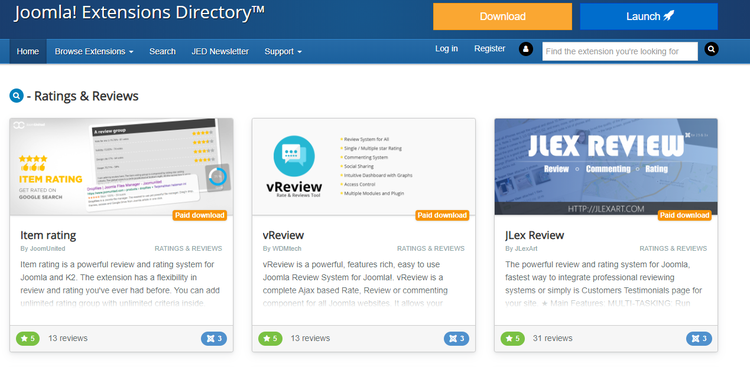
Otra ventaja de Joomla es su amplia gama de extensiones y plantillas, que facilitan la personalización del aspecto y la funcionalidad de su sitio web. También es una excelente opción para las empresas que desean agregar la funcionalidad de comercio electrónico a su sitio, ya que hay muchas extensiones de comercio electrónico disponibles para Joomla.

Sin embargo, Joomla también tiene algunos inconvenientes. No se usa tanto como WordPress, lo que significa que puede haber menos recursos disponibles para aprender y solucionar problemas. Tampoco es tan escalable como Drupal, lo que significa que podría no ser la mejor opción para sitios web o aplicaciones grandes. Finalmente, las actualizaciones de Joomla pueden ser más difíciles de administrar que otros creadores de sitios web de código abierto, que pueden requerir más habilidades técnicas.

Conclusión

Elegir el creador de sitios web de código abierto adecuado depende de sus necesidades específicas y capacidades técnicas. Si está buscando una plataforma fácil de usar con una amplia gama de opciones de personalización, WordPress es una excelente opción. Si necesita una plataforma altamente personalizable y escalable para un sitio web grande o una aplicación de nivel empresarial, Drupal es la mejor opción. Y si está buscando una opción intermedia con un equilibrio entre flexibilidad y facilidad de uso, Joomla podría ser la respuesta.

Cualquiera que sea la plataforma que elija, es importante recordar que cada una tiene sus fortalezas y debilidades. Puede tomar un poco de prueba y error encontrar el sitio adecuado para su negocio, pero con la investigación y el apoyo adecuados, puede crear un sitio web exitoso y personalizado que satisfaga sus necesidades.

Creador de sitios web

Precio inicial

intento gratis

Costos de renovación de dominio

Wix Los planes gratuitos y premium están disponibles tenedores $14.95 por año para renovación de dominio
espacio cuadrado £ 12 por mes según la facturación anual Prueba gratuita de 14 días $20 por año para renovación de dominio
Shopify $9 por mes para Shopify Lite Prueba gratuita de 14 días $14 por año para renovación de dominio
vamos papi Tres planes desde $10 por mes No hay prueba gratuita disponible $17.99 por año para renovación de dominio
Anfitrión El plan gratuito y los planes premium comienzan en $ 1.99 por mes No hay prueba gratuita disponible $8 por año para renovación de dominio
Weebly El plan gratuito y los planes premium comienzan en $ 6 por mes Sí, solo con planes premium $19.95 por año para renovación de dominio
WordPress.com El plan gratuito y los planes premium comienzan en $ 4 por mes Sí, solo con planes premium $18 por año para renovación de dominio
IONOS (1 y 1) Tres planes desde $1 por mes No hay prueba gratuita disponible $15 por año para renovación de dominio
Sitio123 El plan gratuito y los planes premium comienzan en $ 12.80 por mes Sí, solo con planes premium $13.90 por año para renovación de dominio
jimdo El plan gratuito y los planes premium comienzan en $ 9 por mes Sí, solo con planes premium $20 por año para renovación de dominio

La nueva plataforma de comercio electrónico Web.com ayuda a las pymes a llegar a millones de compradores potenciales

0
Interfaz intuitiva del creador de sitios web

Web.com ha anunciado una nueva plataforma de comercio electrónico que brinda a las PYMES una forma de conectarse y comenzar a vender, administrar el inventario en múltiples mercados, en una solución fácil de construir y administrar, que también incluye el SEO integrado.

Le pregunté a Web.com qué hace que esta plataforma sea diferente.

Ellos respondieron:

“Los dueños de negocios de comercio electrónico que necesitan una forma de crecer y vender en línea podrán hacerlo sin ninguna habilidad técnica y hacerlo rápido.

Tratar de descubrir cómo poner un negocio en línea (descubrir cómo hacer dropshipping, administrar el inventario, conectar todas estas herramientas) es difícil y desalentador.

Pero esto ya no es necesario.

Estamos experimentando una democratización de los productos, la experiencia del cliente y la experiencia.

Si bien las pymes siempre han sido más ágiles, no tenían las herramientas ni los conocimientos para capitalizar esta ventaja, pero eso ha cambiado.

Hoy en día, las pequeñas empresas pueden pasar de una idea a otra en solo unas horas.

Los propietarios de pequeñas empresas ahora pueden combinar su agilidad e ingenio con herramientas digitales (como tiendas en línea, gestión de inventario, SEO) para nivelar el campo de juego con empresas más grandes o más establecidas.

La solución de Web.com ofrece un lugar único donde las PYMES pueden administrar todas las tareas diarias relacionadas con el funcionamiento de un negocio en línea.

Pueden enumerar rápidamente sus productos para la venta en su sitio web y mercados como Etsy, llegar a alrededor de 80 millones de compradores potenciales y administrar todos los pedidos de sus clientes en un solo lugar.

Las PYMES también pueden administrar el cumplimiento, las actualizaciones de la lista de productos, el reabastecimiento, los informes y más.

Y, con la tecnología de sincronización de inventario automatizada las 24 horas del día, los 7 días de la semana, las cantidades de sus productos se mostrarán con precisión dondequiera que vendan.

Básicamente, todo se une para crear una solución fácil de construir y administrar con operaciones de envío rápidas y simples y la capacidad de crecer a medida que crecen los negocios de nuestros clientes.

Plataforma de comercio electrónico Web.com

Web.com es parte de Newfold Digital, una empresa propietaria de marcas como Yoast, Network Solutions, HostGator y muchas otras marcas importantes.

Anunciaron un nuevo producto que permite a las pequeñas empresas no solo crear un sitio web atractivo, sino también administrar todos los aspectos de las ventas en línea en el back-end.

La interfaz del creador de sitios web es fácil de usar. Utiliza una interfaz de usuario familiar de clic y compilación que es muy intuitiva de usar por diseño.

Captura de pantalla de la interfaz intuitiva del creador de sitios web de arrastrar y soltar

Más que un creador de sitios web

La nueva solución de comercio electrónico de Web.com proporciona una interfaz de back-end que permite a las empresas administrar todos los aspectos del funcionamiento de un negocio en línea, incluida la administración de inventario.

La plataforma se integra con las principales empresas de envío, métodos de pago y muchos mercados como Etsy, eBay, Amazon e incluso con empresas de envío directo.

La gestión del inventario

Todo el inventario de un negocio de comercio electrónico se organiza y administra en el backend de la plataforma.

Una empresa puede definir dónde se almacenan los productos, incluso por la ubicación de los pasillos y contenedores.

La empresa mantiene niveles de inventario dentro de la plataforma que también se pueden automatizar conectándose a un sistema de almacén o proveedor a través del sistema de gestión de fuentes de Web.com.

Una vez que haya iniciado sesión, el propietario de la empresa puede automatizar el proceso de transferencia de archivos de información del producto, una función disponible en el nivel Premium de comercio electrónico.

Una característica útil es que una vez que se vende un artículo en el sitio web de la empresa o en la integración del mercado, la plataforma Web.com actualizará el inventario de productos en todos los mercados conectados.

Entonces, si vende un producto en eBay, el inventario se actualizará en Walmart Marketplace.

El SEO está integrado

Otra característica útil es que el SEO está integrado en el producto.

La plataforma ejecuta verificaciones de estado mensuales que brindan una lista de elementos de acción para mejorar el rendimiento del sitio web, como encontrar enlaces rotos, detectar metaetiquetas duplicadas e informar la velocidad de la página.

También hay listas de tareas de SEO interactivas y capacidades de datos estructurados.

Integración del mercado

Destacar que es una plataforma de ventas de comercio electrónico es la funcionalidad que administra las ventas y el inventario en múltiples mercados.

Algunos de los mercados donde se pueden vender los productos son:

Facebook Business, que permite a las empresas vender sus productos en Facebook e Instagram.

También pueden enumerar y administrar sus productos en Amazon, eBay, Walmart y Etsy, Bonanza y Google.

Integración de envío

El producto se integra con las principales organizaciones de envío como UPS, FedEx, DHL, Amazon Prime, Canada Post y muchas más.

Gestión total de tiendas de comercio electrónico

La plataforma Web.com ofrece a las empresas una forma de gestionar prácticamente todas las áreas de gestión de un negocio en línea.

Entre las características:

Gestión de dropshipping

Los comerciantes pueden conectarse con los proveedores a través del sistema de administración de fuentes de Web.com para sincronizar automáticamente los datos del producto, los datos del pedido y los detalles de seguimiento cuando los proveedores completan un pedido.

El sistema de alimentación automatizado permite a los dropshippers conectarse con su proveedor para automatizar el proceso de transferencia de datos.

Los dropshippers pueden enviar automáticamente nuevos pedidos a sus proveedores en intervalos, así como recibir datos de productos, detalles de envío y seguimiento.

Gestión de órdenes de compra

Desde la creación de órdenes de compra, el envío de correos electrónicos a proveedores y la recepción de productos, hasta la actualización dondequiera que venda el comerciante

Capacidades avanzadas de gestión de inventario

Seguimiento de múltiples sitios, diferentes SKU de proveedores e ID de mercado para un producto, agrupación de productos, creación de códigos de barras, variantes y sincronización automática de cantidades.

Gestión de envíos

El backend de Web.com se conecta a los principales operadores como USPS, FedEx y DHL, proporciona una forma de imprimir etiquetas de envío y comprobantes de envío, y otras características útiles.

Una solución completa de comercio electrónico

La plataforma de comercio electrónico Web.com ofrece a las PYMES la capacidad de competir en línea con el mismo nivel de automatización que las grandes empresas, pero con la ágil ventaja competitiva de una pequeña empresa.

La nueva plataforma ofrece más que un simple creador de tiendas, es una plataforma de administración de comercio electrónico de extremo a extremo.

Cotizar

Lea el anuncio oficial

Web.com lanza un nuevo producto de comercio electrónico para ayudar a los clientes a vender en línea

La página de la plataforma de comercio electrónico Web.com

Imagen destacada: Captura de pantalla del video de Web.com usado con permiso

Drupal Commerce de Centarro trae soluciones de comercio electrónico de código abierto

0
Drupal Commerce de Centarro trae soluciones de comercio electrónico de código abierto

Si tiene un poco de conocimiento técnico y necesita configurar su programa de comercio electrónico, entonces ryan szramaDirector de Centarropodría tener la respuesta.

Centarro es la empresa detrás de Drupal Commerce, un marco de comercio electrónico de código abierto que puede realizar varias funciones que necesitan los comerciantes en línea: presenta productos para comprar; guía a los clientes a través del proceso de pago; rastrea facturas, recibos, pedidos y pagos; y facilita el envío.

Szrama pasó un tiempo con UBJ discutiendo el impacto de su empresa con sede en el norte del estado en el comercio electrónico global.

UBJ: ¿Puedes contarnos un poco sobre ti, tus antecedentes?

Bueno, estoy casado y tengo cuatro hijos. Fui a la escuela secundaria en Louisville, Kentucky, y luego a Boyce College, que es la escuela de pregrado del Seminario Teológico Bautista del Sur. Siempre fui un programador de computadoras aficionado y terminé trabajando en una empresa de comercio electrónico, donde me contrataron para ayudar con las cosas en eBay. Pero cuando mi jefe me vio compartiendo mis juegos de computadora con algunos de mis colegas, fue como: «Oh, puedes programar, bueno, ¿por qué no solo apoyas nuestro sitio web por mí?» Y el resto es historia.

Foto por Robert Douglass

UBJ: ¿Cuál es la historia de fondo detrás de Centarro?

Mis ambiciones para el desarrollo de software superaron el negocio de comercio electrónico en el que estaba, así que comencé mi propia empresa llamada Commerce Guys con algunos amigos. Un año después, nos fusionamos con una empresa francesa y trasladamos la sede de Commerce Guy a París, con la ambición de recaudar capital de riesgo y desarrollar la próxima iteración de mi plataforma de comercio electrónico, la que apoya Centarro y que todavía se llama Drupal Commerce en la actualidad. Así que recaudamos fondos para construir Drupal Commerce y hacerlo grande y exitoso. Pero en el camino también desarrollamos una plataforma de alojamiento de aplicaciones web y me quedó claro alrededor de 2014-2015 que el futuro del negocio era una plataforma de alojamiento porque tiene un potencial real de retorno de la inversión. El trabajo que estábamos haciendo en el lado del código abierto no estaba creciendo tan rápido, así que compré mi salida de la empresa. Básicamente, cambié mi participación en la empresa más grande para comprar esos activos y reformar un negocio basado en mi plataforma de comercio electrónico de código abierto llamada Centarro.

UBJ: ¿Qué tamaño tiene la empresa?

Hay 50 000 tiendas en línea que usan Drupal Commerce en este momento y abarcan toda la gama, desde tiendas familiares individuales hasta Fortune 500. Pero lo bueno del código abierto es que aunque trabajo para MaxMart, una tienda de comestibles sueca que tiene $50 millones en ventas al año… y luego una pequeña empresa no puede permitirse el código que nos pagan por escribir, si no es específico, por ejemplo, para su software de contabilidad o su mercado, es parte del código abierto plataforma; todos se benefician de ello, básicamente.

UBJ: ¿Es esta colaboración para ti la parte más gratificante del trabajo?

Me encanta trabajar con grandes empresas que están haciendo grandes cosas. Queremos que tengan éxito porque financian el desarrollo continuo de este proyecto y he vivido del comercio electrónico de código abierto durante 15 años. Más de 50 000 sitios informan que usan nuestros módulos para administrar sus tiendas y mi empresa, en un momento dado, tiene tal vez dos docenas de clientes al año de esos 50 000.

UBJ: Parece que estás contento con ese legado.

A fuerza de persistencia, prueba y error, gracias a la comunidad, pudimos construir esta cosa que, según mis cálculos, es de aproximadamente $ 2 mil millones al año o más en transacciones, literalmente de la nada. Cuando solo trabajaba por las noches y los fines de semana en el gueto de Louisville hasta hoy, es asombroso. Simplemente no sabes lo que puede pasar cuando creas este espacio colaborativo para emprendedores.

Shopify (SHOP) Q1 2023 Earnings Call Transcript | Noticias

0
Logo of jester cap with thought bubble.

Image source: Noticias.

Shopify (SHOP 23.84%)
Q1 2023 Earnings Call
May 04, 2023, 8:30 a.m. ET

Contents:

  • Prepared Remarks
  • Questions and Answers
  • Call Participants

Prepared Remarks:

Carrie Gillard

Good morning, and thank you for joining Shopify’s first quarter 2023 conference call. Harley Finkelstein, Shopify’s president; and Jeff Hoffmeister, our CFO, are with us today. After their prepared remarks, we will open it up for your questions. We will make forward-looking statements on our call today that are based on assumptions, and therefore, subject to risks and uncertainties that could cause actual results to differ materially from those projected.

We undertake no obligation to update these statements, except as required by law. You can read about these assumptions, risks, and uncertainties in our press release this morning, as well as in our filings with the U.S. and Canadian regulators. We’ll also speak to adjusted financial measures, which are non-GAAP and not a substitute for GAAP financial measures.

Find out why Shopify is one of the 10 best stocks to buy now

Our analyst team has spent more than a decade beating the market. After all, the newsletter they have run for over a decade, Motley Fool Stock Advisor, has tripled the market.* 

They just revealed their ten top stock picks for investors to buy right now. Shopify is on the list — but there are nine others you may be overlooking.

Click here to get access to the full list!

*Stock Advisor returns as of May 1, 2023

Reconciliations between the two are in the tables at the end of our press release. And finally, we report in U.S. dollars, so all amounts discussed today are in U.S. dollars unless otherwise indicated.

With that, I will turn the call over to Harley.

Harley Finkelstein — President

Thanks, Carrie, and good morning, everyone. Before we jump into our Q1 performance, let me first touch on the announcements that we shared earlier this morning. We are changing the shape of Shopify significantly today. The decade we’re in shows the speed of change accelerating beyond what anyone has ever experienced.

The pace of change can never outpace our ability to adapt. So, today, we announced that we are reducing our head count and leaning into our partner model ecosystem, selling the majority of our logistics business to Flexport, who will become the preferred logistics partner for Shopify. For our team, this is an incredibly hard week. Shopify is a company that deeply values the talented builders that make it possible for Shopify to simplify operations that reduce friction and enable merchant success.

We would not be the company we are today without the work and the passion that our team puts in every day to pursue our mission. We also realized that in order to adapt and stay at the forefront of commerce, Shopify must operate with even greater speed and efficiency. So, we are making changes and refocusing the priorities that we believe will get Shopify to the size and the shape necessary to unlock the next era of growth and innovation, but that does not make this earnings call any easier. I will be doing this call and then quickly turning back to internal matters.

And Tobi will not be joining us on the call today as he insisted on focusing his time and attention on our team. On logistics, building logistics infrastructure is a side effort that all e-commerce entrepreneurs are eventually pulled into. Shopify decided to take this on, on behalf of every merchant because we’re significantly larger and we can leverage our scale to build this on their behalf. Flexport has been a key partner throughout this journey.

And given our long history of building direct integrations into powerful platforms, we believe that Flexport will be the best partner to carry this vision forward. And for our merchants, making it easier for them to access fast, reliable fulfillment from port to porch is a shared vision that Flexport will now take the lead on as our preferred logistics partner, led by world-class operators, CEO, Dave Clark; and founder, Ryan Petersen, now with the leadership of Deliverr founder, Harish Abbott, this planned sale will enable Flexport to leverage their DNA in logistics and allow Shopify to focus on what we do best, designing and scaling a breadth of solutions and essential infrastructure that our merchants need to compete in an increasing digital world. We know we have more work to do to achieve our goal of building a sustainable 100-year company. Our actions today should be evidence of our commitment to our mission, our merchants, and our team to not just keep up, but to lead and to shape the future of commerce.

With that said, I will now turn to our product and merchant developments for the quarter before Jeff discusses the financial results in more detail. This year has started off incredibly strong for Shopify and our merchants. In Q1, we continued to expand our merchant base with strong growth across all geographies and merchant sizes. We realized the incredible amount of trust our merchants have in Shopify, which is why we move quickly, so we can show up for our merchants consistently quarter after quarter, giving them the unified commerce solutions they need to run their business and focus on what matters most, their product and their customers.

Our strong Q1 performance is evidence of our ability to continuously adapt and anticipate their future needs at every turn. This is why merchants choose us. Let me start by discussing the progress and key accomplishments that we have made in our three core focus areas, which are centered around how we help merchants. First, expand from first sale to full scale; next, go global; and finally, build consumer relationships.

Starting with how we think about expanding from first sale to full scale. On our last call, we talked about the launch of our enterprise retail solution, Commerce Components by Shopify, or CCS. CCS is a modern composable stack where retailers can choose the Shopify components they want, integrate them with their existing systems, and create incredible customer experiences using the same software and solutions that enabled Shopify to power over 10% of U.S. e-commerce.

Up until the release of CCS, there has been a scarcity of modern commerce solutions for enterprise retailers that can give brands the choice, flexibility, and performance from a single enterprise offering. By making the best of Shopify, such as our world-class checkout and storefront available on an individual basis, CCS is kicking down the door to conversations with retailers that previously weren’t aware of the power and the versatility of Shopify. There is a perception shift happening in the marketplace as enterprises begin to realize that they are now able to combine Shopify’s cutting-edge commerce solutions with their existing infrastructure, all while optimizing their operating expenses. And we are seeing success with large recently signed enterprise brands like food delivery company, Daily Harvest; the iconic Canadian coffee house chain, Tim Hortons; U.K.

fashion designer, Ted Baker; Japanese retailer, Yogibo, our largest outbound deal ever in Japan, a multi-brand deal with global retail brands in Australia; and American retail giant, Zulily, which is owned by QVC that actually came to Shopify from a referral from another very large enterprise merchant we have. All of these incredible global brands are trusting Shopify to help them grow, scale, and keep their business secure. A key part for our go-to-market strategy for enterprises will come from our system integrator partnerships. Early in Q1, we signed an agreement with IBM Consulting and entered agreement with Cognizant, which is over 350,000 employees generating over $19 billion in annual revenue in 2022.

Of note, Cognizant did all of the Shopify-related implementation for premier consumer products customer. So, we are thrilled to have them as a partner for future opportunities. We believe these partnerships will further our efforts to not only grow our merchant base but also expand our offering with existing merchants. To truly enable first sale to full scale requires us to have infrastructure and capabilities to handle massive traffic volumes at any moment in time.

For Shopify, we’ve set a new record in Q1. We hosted the highest throughput flash sale in our company’s history with Supreme’s February drop, which drove orders per minute that were equivalent to our Black Friday/Cyber Monday levels, a true testament to the scale, agility, and the resilience of our platform. It also highlights how the investments we have been making over the past couple of years are strengthening our commerce operating platform to power any brand on the planet. Moving on to going global.

One way we are driving greater penetration internationally is by making it easy for a merchant to sell globally as they do locally. During the quarter, approximately 15% of total GMV were cross-border as our primary products that were rolled out last year, Markets and Markets Pro, continue to gain traction. Markets makes it simple to localize the buyer experience for each region a merchant sells to by enabling local currencies, which is a key determinant for consumers, offering local payment options, and collecting duties and taxes at checkout to create total cost clarity. All of this can be customized in one place in the Shopify Admin with ease.

When we layer on the functionality of the translate and adapt app for our merchants who use markets, our data showed meaningful improvements to conversion rates. Shopify Markets Pro, a fully integrated merchant of record solution is built on top of Markets. Markets Pro is a great option for merchants looking to scale to new markets quickly without having to navigate international tax compliance or fraud while tapping into best-in-class international shipping options with duties prepaid. Our team has continued to make improvements to Markets Pro and is on track to fully roll out the product in the U.S.

this summer and then to the U.K. later this year. We’ve seen considerable interest in Markets Pro and believe there’s a lot of opportunity for us with this product to further unlock our merchants’ ability to reach more consumers around the world. Finally, our third core area, building consumer relationships.

One of Shopify’s strengths is our comprehensive suite of innovative, unified commerce solutions that enable brands to find, engage and build relationships with consumers across every surface. As commerce is increasingly showing up everywhere, advancing our full suite of commerce solutions to stay at the forefront of our merchants’ needs remains paramount for their success. Point-of-Sale, the Shop App, and Audiences are three areas where we continued to drive meaningful product enhancements in the quarter. Our Point-of-Sale solution continued to gain traction in Q1 with offline GMV increasing 31% year over year.

We continue to expand both the functionality of our Point-of-Sale offering and its ability to handle the needs of retailers with a large number of physical locations. During the first quarter, top-tier apparel brands like Kit and Ace, which was started by the founder of Lululemon, launched our Point-of-Sale Pro solution for all of their stores. And another consumer favorite Gap brand, Banana Republic Home, is planning an omnichannel launch later this year with our Point-of-Sale Pro offering across their initial retail locations. These are just two examples of the growing number of household name brands who are coming to Shopify for not only our online offering but also our brick-and-mortar capabilities.

Even as more and more large brands choose Shopify for our unified commerce capabilities, we remain the best commerce offering for SMBs. After Intuit made their decision to sunset their QuickBooks desktop Point-of-Sale product, they chose Shopify to be the preferred partner to migrate new retailers in need of a new Point-of-Sale solution. This partnership recognizes the depth and the quality of Shopify’s Point-of-Sale offering and opens up the funnel for more SMBs and mid-market retailers to join Shopify and leverage our suite of retail solutions. We’re already seeing traction from this partnership with thousands of new merchants having chosen to adopt Shopify Point-of-Sale.

Our Shop App is another incredible opportunity for our merchants. Back in February, as part of our winter edition release, we announced some of the biggest product updates to Shop since launching in 2020. We’re in the post-cookie mobile era of commerce, where brands are increasingly motivated to build their own mobile experiences to retain ownership of their customer relationships. But for most businesses, the technical and financial resources required to build and maintain their own mobile app just does not make sense.

Today, Shop gives merchants an out-of-the-box mobile storefront, making it easy for them to leverage Shop’s existing buyer audience to drive new and repeat customers to their brand. And of course, when you layer on Shop Pay, which continues to be the best-converting checkout on the Internet, Shop is becoming one of merchants’ most important channels. Another example of how Shopify is staying at the cutting edge of commerce is the AI shopping assistant that Shop launched in March. Shoppers tell the assistant what they are looking for, and it serves up relevant product recommendations from Shopify merchants.

It’s like having your own shopping concierge powered by ChatGPT, one of the most advanced technologies that we have seen in decades. We believe that we are in the early innings of unlocking the true power of AI, not only for our merchants and their customers but also for Shopify. Moving to Audiences. Shopify Audiences continues to be a dynamic feature for our Plus merchants, helping drive top performance in paid advertising across Meta, Google, and Pinterest.

The machine algorithm that powers Audiences is more effective than ever before. In the year since the product first launched, we have shipped dozens of algorithm improvements as frequently as every two weeks. This constant experimentation has resulted in the average return ad spend merchants see on the platform to nearly double what it was originally. We don’t expect this trend to slow down.

This performance is reflected in the product’s adoption. More merchants are using Shopify Audiences than ever before. In fact, our data suggests that Audiences is now a key reason merchants choose to upgrade to Plus, averaging just over a week from upgrade to install the product. As the number of merchants who use the product grows, the algorithm gets smarter, the flywheel moves a little faster and performance improves further, a positive feedback loop.

Powered by our scale and the merchant trust we’ve earned over many years, Audiences is a unique advantage only Shopify can offer. It’s an opportunity for independent merchants to join forces and help each other succeed. We could not be more excited by the trajectory of this young product. Stepping beyond are three core themes.

I want to talk a little more about our merchants. Earlier, I shared some of the large enterprise wins. But that, of course, is just one portion of the success we are seeing. In this past quarter, Shopify welcomed numerous notable brands representing a broad spectrum of verticals within apparel and accessories: fashion-forward clothing and denim manufacturer, 7 For All Mankind; footwear brand KEEN; and backpack and accessory brand Herschel Supply all launched with Shopify in Q1.

On the international front, Japanese watch brand, Seiko; winemaker, Pernod Ricard; and watchmaker, Daniel Wellington launched sites on Shopify this quarter. And earlier this week, Lululemon Studio, formerly known as Mirror, launched on Shopify. Celebrity brands continue to default Shopify to launch their businesses as well. In Q1, Mary-Kate and Ashley Olsen’s luxury fashion designer brand, The Row; John Legend’s Loved01; and Kendall Jenner’s award-winning 818 Tequila brand all launched on Shopify.

In closing, Shopify continues to be the engine powering millions of merchants around the world. Our platform continues to expand, giving our merchants more of the solutions they need to run their businesses online, offline, and everywhere in between. We have worked hard to earn our merchants’ trust as Shopify continues to solve the industry’s biggest problems to make commerce better for everyone. And with that, let me turn the call over to Jeff.

Jeff Hoffmeister — Chief Financial Officer

Thanks, Harley. The investments we have made into building a powerful commerce operating system for merchants of all sizes have delivered strength across all elements of our business. Let’s dive into our Q1 results, starting with GMV. GMV in Q1 was $50 billion, up 15% year over year or 18% on a constant currency basis as merchants delivered another strong quarter of growth.

We achieved this GMV strength primarily through more resilient consumer spend, with strength in Europe being particularly notable, existing merchant same-store sales growth, and growth in our merchant base. Revenue for the first quarter was $1.5 billion, up 25% year over year or 27% in constant currency, driven by the GMV strength just discussed, growth in our Merchant Solutions business led by payments penetration, and growth in Subscription Solutions. Our Q1 revenue came in better than our outlook, largely driven by the outperformance of GMV, strong growth across our Merchant Solutions product suite, and strength in Europe from both consumer spend and more favorable exchange rates than anticipated. Our total attach rate, which is defined as revenue divided by GMV, is a key performance indicator of our business and our ability to generate greater value for our merchants.

In Q1, our attach rate was 3.04%, up from 2.79% in Q1 2022. Merchants continue to buy more and more solutions from us, which speaks to both attraction of new products and the trust that merchants put in us. This represents the highest attach rate in our history. Moving to our revenue streams, starting with Merchant Solutions.

Q1 Merchant Solutions revenue was $1.1 billion, increasing 31% year over year or 33% on a constant currency basis, driven by the increase in GMV, continued penetration of Shopify Payments, and the contribution from Deliverr. $27.5 billion of GMV was processed by Shopify Payments in the first quarter, 25% higher than in the first quarter of 2022. The penetration rate of Shopify Payments as a percentage of GMV was 56% for the quarter versus 51% in Q1 of the prior year. Several factors drove the quarter’s higher gross Payments volume, including the strong performance by those merchants utilizing Shopify Payments, an increasing percentage of which are Shopify Plus; new merchant adoption across the globe; greater penetration of Shop Pay; and continued growth of our integrated Point-of-Sale solution in physical retail stores.

Subscription Solutions revenue was $382 million, up 11% over Q1 of 2022 primarily due to growth in our Plus subscriptions. Moving to monthly recurring revenue, or MRR. Q1 MRR was $116 million, up 10% year over year. We saw strong growth across each of Plus, Standard, and Point-of-Sale, with Plus being the largest contributor of growth in absolute dollars.

Our Plus merchants, as a percentage of total MRR, increased to 34% from 30% in Q1 of 2022. Additionally, we are beginning to see the impact from the initial cohorts that were a part of our free and promotional trials that began to roll out broadly in October 2022. We saw these cohorts convert to full-priced Standard subscriptions starting in Q1, which contributed to the acceleration in MRR growth year over year and quarter over quarter. The merchants comprising the initial cohorts from these trial experiments are demonstrating very positive results.

The longer trial period has provided merchants a better onboarding experience, giving them additional time to experiment and familiarize themselves with our rich feature set and have more time to find the right product and market niche for their products. As a result of these trials, we are seeing higher weekly active sales and more merchants achieving their first sale on our platform, contributing to our GMV outperformance compared to the broader market. Separately, as previously announced in January, we introduced pricing changes to our standard subscription plans. The pricing changes had minimal impact on our Q1 financials as the full pricing changes did not take effect until about a week ago, but we anticipate that they will benefit our MRR growth more meaningfully in the second half of the year.

Gross profit was $717 million for the quarter, and gross margin was 47.5% in our first quarter. Compared to Q1 2022 gross margins of 53%, our gross margin this quarter was primarily affected by the dilutive impact of Deliverr. Additionally, Q1 gross margin was also impacted by Merchant Solutions being a larger percentage of our business, driven by growth in Shopify Payments. And within our Shopify Payments business, we continued to see gross margin pressure due to the greater mix of Plus and higher mix of credit cards versus debit cards compared to Q1 last year.

Operating expenses were $910 million for the quarter. This represents a sequential increase of 1% over Q4 of 2022 operating expenses of approximately $903 million when excluding the one-time charges from Q4 of $84 million. Compared to Q1 of 2022, the primary drivers of this increase in operating expenses are related to higher compensation expense, including Deliverr. As we have demonstrated over the past three quarters, our operating expense dollars, excluding one-time items, continue to stabilize and grow at a much slower rate.

This directly reflects our focus throughout the entire organization to drive increased productivity and efficiency across our teams. We continue to rigorously evaluate all of our cost, including greater scrutiny on our cloud infrastructure spend, return on our marketing programs and their associated payback periods, and in general, an increased internal utilization of automation and technology to replace manually driven processes. Let me share a specific example of what I mean. In Q1, within sales and marketing, expenses declined both year over year and sequentially as we have been working to diversify our marketing mix over the past year.

Prioritizing areas such as direct mail and audio, we’ve also optimized payback from established channels like digital search and display. As a result, in recent months, we have seen the payback period for our paid advertising improve by over 50%. There’s a cross-functional team in place that’s assessing the amount of value we can extract from different marketing channels as we continue to improve our paid advertising payback periods and realize even more value from each dollar we spend in this area. Stock-based compensation for Q1 was $135 million compared to $118 million for the same period a year ago, primarily driven by the higher headcount from Deliverr.

Adjusted operating loss for the quarter was $31 million. The decline compared to Q1 of 2022 was due to lower gross margins year over year and higher operating expenses, primarily driven from increased compensation expenses. Our Q1 adjusted operating loss came in better than expected due to stronger top-line growth and lower-than-expected operating expenses. For the quarter, free cash flow was $86 million, representing 6% of revenue.

You will hear us talk more frequently going forward about free cash flow, which we calculate as cash flow from operations minus capex. Turning quickly to our balance sheet. Our cash and marketable securities balance was $4.9 billion as of March 31. Before I get into our outlook, some additional information regarding the sale of our logistics businesses and Shopify reducing our head count.

As Harley mentioned, earlier today, we announced that we reached an agreement to sell our logistics business, including most of our SFN assets and Deliverr to our trusted partner, Flexport. In connection with the transaction, Shopify and Flexport intend to deepen their partnership with Flexport becoming our official logistics partner moving forward and providing Shopify merchants with fast and reliable logistics solutions. Shopify will continue to offer the merchant-facing SFN app, which provides merchants an integrated logistics experience through Shopify, powered by Flexport. Under the terms of the agreement, Shopify will receive stock representing a 13% equity interest in Flexport.

When combined with our existing ownership, we will own a high-teens percentage in Flexport. In connection with the closing of the sale, Shopify is entitled to name a director to Flexport’s board. Today, we also announced that we are making changes to our organization, reducing our overall workforce by approximately 20%, excluding employees and our logistics businesses, some of which will move to Flexport and some of which will be part of the reduction in force. While this decision to reduce the size of our team was incredibly difficult, we are moving quickly toward the ideal shape and size that will enable us to build on our momentum and power the future of commerce.

We believe that our business remains incredibly strong and our opportunities for sustainable long-term growth are abundant. Partnering with Flexport will allow us to focus on the areas where we as a team have the highest impact and had the most value for our merchants, helping them on some of their most critical challenges, including running and managing the business, selling wherever consumers are, discovering new customers and thriving at any stage in any market. Keeping all this in mind, let’s turn to our outlook. We anticipate that the sale of our logistics businesses will happen toward the end of the second quarter, subject to certain conditions and regulatory approvals as applicable, and accordingly, that the majority of the financial impact of these transactions will not materialize until the second half of the year.

Here are our expectations for the second quarter. First, on revenue. We expect our second-quarter revenues to grow at a rate similar to our Q1 year-over-year growth rate. We anticipate that the pricing changes that just went into effect will be counterbalanced by the pending sale of our logistics businesses.

Q2 gross margin percentage is expected to be similar to our Q1 gross margin percentage with the expected benefit from the pricing changes to be offset by the pending sale of our logistics business and the continued growth of Shopify Payments, which is a lower-margin business. We believe that our Q2 operating expense dollars, excluding one-time items related to the pending sale of logistics and severance charges, will decrease a mid-single-digit percentage versus our Q1 operating expense dollars. Stock-based compensation is expected to be approximately $110 million. This excludes the one-time charges related to the sale of our logistics businesses.

Finally, we expect free cash flow, which, as mentioned, we define as operating cash flow less capex, to be positive for each quarter of 2023. We, as a management team, are committed to profitability, and you will hear us talking more frequently regarding free cash flow. With the pending sale of our logistics business, obviously, our capital expenditures are going to be a lot lower going forward. We currently expect to spend approximately $100 million for the full year of 2023, which includes two quarters of capex from logistics.

Finally, specifically related to the announcements today, our current expectation is at Q2, we will incur $140 million to $150 million in severance from the workforce reduction and an impairment of $1 billion to $1.5 billion in the aggregate related to the various components of our logistics businesses. In closing, 2023 is off to a very strong start. Our financial outperformance reflects our merchants’ trust in Shopify’s mission-critical commerce operating system to not only run their business but to grow it. Brands across the globe continue to turn to us for the incredibly rich feature set that we offer, which we believe continues to represent the most exceptional value in the marketplace today.

Our teams are adhering to rigorous operational discipline and cost control while achieving greater productivity and efficiencies throughout the company. We are incredibly proud of what our team has accomplished so far this year and will continue to achieve throughout 2023. I’ll now turn the call back over to Carrie for any questions.

Carrie Gillard

We will now open the call for your questions. [Operator instructions] We ask that you limit yourself to one question so we can try to get to as many questions as possible. Our first question will come from Brian Peterson at Raymond James.

Brian Peterson — Raymond James — Analyst

Hi. Thanks for taking the question. So, I’m curious on the timing of the decision to sell the logistics business. Why now? And maybe how should we be thinking about any changes that you may have in kind of the build-by-partner decision about future growth initiatives? Thank you.

Harley Finkelstein — President

Hey, Brian, Harley. I’ll take the question. Look, I think Shopify, unlike a lot of technology companies, we actually do partnerships really, really well. If you sort of go back, I don’t know, eight or nine years ago, so when we first decided to go into the payments business, we deeply partnered with Stripe and was able to go to market much faster with an incredible product.

And that partnership obviously continues. We’ve done the same thing with companies like Affirm when we felt that they were doing buy now, pay later better than anyone else globally on the cross-border commerce side of things. So, I mean, Shopify, going back to what you heard today and Tobi’s letter, but our main mission, our main quest versus side quest, we do something in the world better than anybody else, which is building commerce software. And that’s what we want to be able to do.

We want to focus on that. We want to execute on that. So, when — as we began to build out the logistics business, which started about four or five years ago, remember at the time, there was no one else that was helping small businesses, medium-sized businesses with logistics and shipping. And so, even though we knew it was going to be an incubation period for us, we felt there was no one else doing it, and better for us to do it than for our merchants to do it.

As things progressed and we began to further and more deeply integrate with Flexport, with Dave and Ryan and the team, it became clear that that is their main quest. They are so focused on creating logistics and shipping infrastructure for small and medium-sized businesses. And this way, we get product acceleration, and we can focus on what we do best, they can focus what they do best. But again, I think we’re a company that has proven that when we can build something better than anyone else, we do it, and we’ve done that across a whole bunch of different areas of our business.

But when there’s a partner that we can deeply integrate with that can get us further faster and more efficiently, we will do that, too. And that was the case here.

Carrie Gillard

Thank you for your question, Brian. Our next question will come from Josh Beck at KeyBanc. Josh, are you there? You’re on mute.

Josh Beck — KeyBanc Capital Markets — Analyst

Sorry about that. Are you able to hear me?

Carrie Gillard

Yes, we can hear you.

Josh Beck — KeyBanc Capital Markets — Analyst

Yeah. Sorry about that. I wanted to ask just a little bit about kind of the second half of the year and how we should obviously think about the cadence of opex. You obviously gave us some very helpful color around how to contemplate Q2.

Should we be really thinking about that as a partial quarter reflecting the new kind of workforce footprint, so as we go into Q3 and Q4, it could be a little bit different? And any other color you can provide there would be great.

Jeff Hoffmeister — Chief Financial Officer

Yeah. This is Jeff. I’ll start on that. You’re right, as it relates to timing, we mentioned that the transaction with Flexport would close.

We expect it to close in Q2. There are some regulatory processes we need to go through, most likely here. We don’t know, obviously, therefore, exactly when it will close. Our estimates for Q2 as we gave in guidance reflect a closing in that transaction with Flexport toward the latter half of the quarter.

And yes, obviously, we’re a month into the quarter when we’re making this announcement today regarding our employee head count. So, Q2 will not be what you would call «normalized quarter.» When we get to our quarterly results next quarter, we’ll obviously be able to give you some more guidance. But I think your general sentiment that this is kind of a partial impact that you’ll see in this quarter is accurate.

Josh Beck — KeyBanc Capital Markets — Analyst

Thank you.

Carrie Gillard

Our next question will come from Paul Treiber at Barclays.

Paul Treiber — Barclays — Analyst

Yeah. Thanks very much, and good morning. Just a question on the transaction with Flexport. The letter mentioned that Shopify would — or Flexport would be the preferred partner for logistics.

Does that preferred partner mean exclusive partner? Or would like Payments, you would support other third-party logistics providers on Shopify?

Harley Finkelstein — President

Hey, Paul. Yeah, that’s right. Look, we have millions of stores in the platform. We have lots of small businesses.

We also have very, very large enterprises as well. Part of our role is being the centralized operating system for these millions of businesses and brands, is to enable them to bring the best products, the best infrastructure that they need to run their business. So, Flexport is going to be the preferred partner. We think what they’re doing is exceptional.

And as I mentioned earlier, any business that grows at some point, there’s sort of this massive floodlight eventually that shines on them on one of the most complex issues, which is that of logistics, and they’re going to do a great job there. They’ve already proven to us they know what to do there. But if there is a particular logistics partner or shipping company that another merchant wants to bring along, we can integrate with that, and we have been doing that for quite some time with our shipping APIs.

Carrie Gillard

Our next question will come from Deepak Mathivanan at Wolfe Research.

Deepak Mathivanan — Wolfe Research — Analyst

Great. Thanks for taking the question. So, Jeff, after these cost-saving initiatives that you’re currently implementing, how should we think about the fixed cost growth beyond into second half and 2024? Do you feel like headcount and other fixed costs are right now at the right place with this restructuring for sort of medium-term opportunities companies see? And maybe is there a margin target or perhaps maybe relative to what you did before that we can expect going forward? Thank you so much.

Jeff Hoffmeister — Chief Financial Officer

Yeah. Well, as I alluded to just a couple of questions ago, as it relates to our operating expense levels, we gave you some guidance as it relates to Q2, that will still be in flux. As it relates to gross margin, I guess what I would say, obviously, when you think about my comments about when the Flexport transaction will close, when you look at Q2, we will have partial impact from Flexport — or I’m sorry, from Deliverr, which historically has obviously been a headwind to margins. We do have the pricing increases going into effect in Q2.

Obviously, basically about a week or so when those started hitting our P&L. So, that will be counterbalancing for us in there. But obviously, Shopify Payments, as that is a larger and larger mix of revenues, that, of course, has an impact on gross margins in the opposite direction. So, as we think about where we are for gross margins, we gave you guidance for Q2 to basically be in line with Q1.

Obviously, Q1 is up over Q4. In Q4, you may recall, we were at 46%. So, we’ve got some forces moving in both directions on gross margins. We’re obviously not ready at this point to comment on the full year.

But I think it’s going to be a lot of the trends that you’ve seen historically on the business.

Carrie Gillard

Thank you, Deepak. Our next question will come from Colin Sebastian at Baird.

Colin Sebastian — Robert W. Baird and Company — Analyst

All right, great. Thanks. Hopefully, you can hear me as well. I guess, Harley, after reading Tobi’s letter, I mean, it sounds like part of the decision here was based on what you’re seeing around generative AI and developments there.

And obviously, you’ve made some iterations to the platform already. But curious to learn more about the vision of how AI or generative AI more specifically integrates. And I guess, Jeff, maybe what the investment implications of that will be from a headcount, as well as infrastructure perspective. Thank you.

Harley Finkelstein — President

Colin, I’ll start with that one. I think we are very fortunate to be among the companies with the best chances of using AI to help our customers, our merchants. And that’s how we think about the usage of AI here. How do we integrate it into the tools that help us build and ship better products to our merchants? You’re already seeing that in certain areas of Shopify.

For example, the task of writing product descriptions is now made meaningfully easier by injecting AI into that process. And what does that — the end result of that is merchants spend less time running product descriptions and more time making beautiful products and communicating and engaging with their customers. We also — you’re also seeing — we announced a couple of weeks ago, Shop at AI, which is what I think is the coolest shopping concierge on the planet, whereby you as a consumer can use Shop at AI and you can browse through hundreds of millions of products and you can say things like I want to have a barbecue and here’s the theme and it will suggest great products, and you can buy it right in line right through the shopping concierge. So, you’re already seeing this come up in a couple of different areas of Shopify.

But most importantly, the way we’re thinking about AI is how can we use it to accelerate the experience and the product that we deliver to our merchants. And I think that’s going to make things a lot easier. It means the merchants can spend more time on the things that matter most to them.

Jeff Hoffmeister — Chief Financial Officer

Yeah. And I would think to your question about how do we think about the size of the organization and the infrastructure spend we need to give or do, I think we’ve — as we obviously make these moves today that is reflective of how we think about our future, and again, as we go into Q2 results here, which will be a period of a couple of intermittent changes in terms of what we’re going through in terms of the financial impact of this, we’ll have more clarity for you in the next quarter.

Carrie Gillard

Our next question will come from Tyler Radke at Citigroup.

Tyler Radke — Citi — Analyst

Yes. Thanks. Good morning. Appreciate the question.

So, Harley, you talked about Shopify doing a really good job on partnerships, especially relative to other tech companies out there. I’m curious just with the exit of the logistics business here. How is that changing your view on potentially partnering with someone like Amazon with the Buy with Prime functionality? Just if you could kind of comment on your overall philosophy now that you’ve made this decision. Thank you.

Harley Finkelstein — President

Yeah. Specifically on the Buy with Prime, we will make a deal with Amazon if that’s in the best interest of our merchants. All things around Buy with Prime are moving in the right direction, moving positively, so stay tuned for that. But more generally, I mean, look, Shopify is — obviously, I mentioned some of the large partnerships like Stripe and now Flexport and Affirm and globally.

But remember, I mean, a big part of the product market fit that Shopify provides to the millions of merchants is the entire app ecosystem, the thousands of apps that allow every single merchant no matter what their use case is to get exactly what they need from Shopify. And even if it’s a specific use case, they’re able to get 100% product market fit. So, it’s not just necessarily the larger partnerships that I think demonstrate that Shopify is a great partnership company. We’ve been at this for over a decade now in the App Store, on the Theme store.

And increasingly, especially with CCS, for example, where we have much larger brands in the Mattels of the world, companies like Black & Decker and some of the ones I mentioned like Zulily, they’re going to want us to integrate with their existing infrastructure. And so, Shopify has always been really good on the API side of ensuring that you can get exactly what you want from us, whether it’s directly from our core product or it’s by leveraging some of our partners. But that’s something that we’re really proud of. And that’s sort of on the product-enhancing side.

On the merchant referring side, I mean, we have this massive network, tens of thousands of these agencies and third parties and systems integrators who are constantly referring new business to Shopify as well. And I think being known and being regarded as a company that is great at partnership that allows for partners to participate in the upside of the business is very important. It’s the reason why we probably have one of the most impressive developer ecosystems on the planet.

Carrie Gillard

Thank you, Tyler. Our next question will come from Trevor Young at Barclays.

Trevor Young — Barclays — Analyst

Great. Thanks. Jeff, just on the 2Q rev guide of around 25%, pricing largely offsetting the logistics but also assuming that the transaction happens very late in the quarter. So, just to be explicit, you’re not assuming much lift in 2Q from pricing.

And then relatedly, just any initial feedback following the price increase. Are more merchants flipping to annual plans to keep pricing steady versus staying month-to-month and just taking the price increase?

Jeff Hoffmeister — Chief Financial Officer

Yeah. Trevor, to your point, your first question, we are assuming that the transaction closes toward the latter half of the year. And the price impact, just really about a week ago, went into effect. So, it’s too early at this stage to fully gauge that.

But again, from a top-line revenue growth, this would essentially be in line, obviously, for the guidance with what we did last quarter. So, we feel very good about our business across all fronts as it relates to merchant additions, as it relates to success in all the different geographies. The business is doing really well. But as we think, again, there will be some lost revenue from logistics, assuming that it closes in the quarter.

And so, as we counterbalance all those drivers, that’s how we think about the Q2 revenue guide. So, that’s a key piece there. And then as it relates to the plan, the initial feedback on the plans, at this point, again, it’s too early to tell. I would say, overall, we’ve been very pleased with the results.

But again, when we have a full quarter of results in Q2, I think we’ll be able to give you some better sense, but —

Trevor Young — Barclays — Analyst

Thank you.

Carrie Gillard

Our next question comes from Darren Aftahi at ROTH Capital.

Darren Aftahi — ROTH Capital Partners — Analyst

Yeah. Good morning. Thanks for taking my question. Your comments about 15% cross-border GMV, could you just kind of speak to kind of Markets and Markets Pro and kind of how fast that GMV cross-border metric has been growing, kind of where you see that going in the next 12 months? Thanks.

Harley Finkelstein — President

Hey. Sorry. I’ll take that call. Look, in both — Shopify Markets is getting a lot of traction.

In Q1 alone, around 100,000 merchants use either Markets or Markets Pro feature to make a cross-border sale. We launched Markets Pro into early access in September. We see more and more merchants that are adopting it now. But if you think about the business models of our merchants, U.S.

merchants on average are selling to 14 countries. And so, going back to your comment made earlier about Shopify being the essential retail operating system for our merchants, if we want to be the center of their business, which we are, we need to enable them to sell across every single geography. And obviously, there are some geographies that they have not sold to yet. Making that easier is really, really important.

In the case of Markets Pro, what’s really interesting is that it really introduces this idea like a merchant of record solution. So, you think — you have things like tax and duty compliance, but you also were able to provide, obviously, compliant with local laws, chargeback protection. And then if they want to go sort of one step further, of course, they can always go and leverage globally as well. But in last year, we saw about $28 billion in cross-border sales.

In Q1 of this year, we saw, as you mentioned, 15% of total GMV. And so, we think the international — the ability to help our merchants sell internationally easier with greater speed and efficiency is going to be very important. But also, remember that it also allows us to bring on new merchants from new geographies. Obviously, the majority of our merchants are still in our core geographies.

But every time we make it easier to sell across the entire globe with all those features that I just mentioned, more and more merchants join Shopify and that also is a huge benefit to both these products.

Carrie Gillard

Thank you, Darren. Our next question comes from Matthew Pfau at William Blair.

Matthew Pfau — William Blair and Company — Analyst

Great. Thanks for taking my question. I wanted to ask one on the Audiences product. It seems like it’s already helping you out in terms of driving more sales on the platform, as well as driving some upgrades.

But any other thoughts on how do you additionally monetize this product longer term? Thanks.

Harley Finkelstein — President

Yeah. Look, I mean, Audiences, we continue to improve Audiences, more merchants, improving the algorithms. It’s been a year since the launch. We’re seeing return on ad spend nearly double, and it’s becoming a driver for upgrades, as I mentioned.

Just over a week after upgrades, we see merchants churning on Audiences. We’re also adding new marketing platform partners. So, we had Facebook and Instagram. We added Google in Q4.

We just added Pinterest in Q1. And so, we really are excited. I mean average — like ensuring that our merchants are able to get the highest return on ad spend possible and — is something that not only they really obviously want and require, but it’s only something that Shopify can do given our leverage because we have 10% of our e-commerce is done — in the U.S. is done on Shopify.

That is something very specific to Shopify. In terms of the monetization, Audiences is currently monetized indirectly via Shopify Payments. We will revisit the monetization levers once we make that extreme — the machine learning algorithm even more effective once we have to use more product market fit. But you will see more and more features and more functionality rollouts around audiences in the coming quarters.

But again, as I said on my prepared remarks, it’s an early product that is seeing incredible traction, and I think it’s beloved by the people that use it. So, it’s a very exciting area of our business, and monetization will come in the future directly.

Carrie Gillard

Thank you, Matthew. Our next question comes from Bhavin Shah at Deutsche Bank.

Bhavin Shah — Deutsche Bank — Analyst

Great. Thanks for taking my question. Just on the 23% reduction in workforce, can you give us a sense of how much of that is related to logistics? Maybe those outside of logistics, what areas are most impacted?

Jeff Hoffmeister — Chief Financial Officer

Yeah. We have not talked about specifically how many of the employees are related to logistics. I would say, as it relates to the areas which have been impacted, this is something which, unfortunately, has impacted our colleagues across all geographies and all levels within the organization. Tobi did make some comments in his letter regarding how we think about crafting ourselves for our future and so I would point you back to that.

But this is, unfortunately, something which hits us at all perspectives.

Harley Finkelstein — President

Let me just add to that. I mean, let me say the thing. This is a very difficult day for any leader, any company to go through. I mean these are not the type of things that you want to do.

But these are the things — and often, the easy thing and the right thing are not the same thing. In this case, the right thing and the hard thing are the same thing. But what we are building here is a more fit-for-purpose Shopify that is going to be centered on our main mission, our main quest. We’re going to have less scope creep.

We’re going to have fewer meetings. We’re going to have more shipping great features to our merchants. We’re going to create more balance around managers and crafters and builders, which we think will be a lot healthier. But this is going to set us up to take advantage of the opportunity we see in the future.

The pace of change is unlike anything I think any of us have ever seen. And this new shape of Shopify will help us to achieve and execute on what is incredibly ambitious mission. Now, it doesn’t make that any easier because it is a tough day for our company, but that’s the reason why we’re doing this.

Carrie Gillard

Thanks, Bhavin. Our next question comes from Andrew Boone at JMP Securities.

Andrew Boone — JMP Securities — Analyst

Good morning, and thanks for taking my question. I wanted to go to enterprise. Can you talk a little bit about greater components adoption and what you’re seeing near term in terms of merchants reacting to it? Is it driving more merchant adoption in terms of enterprise? Or is it more the plus cycle upgrade where merchants are taking all of your products? Thanks so much.

Harley Finkelstein — President

Thanks, Andrew. So, we announced commerce components in January. We announced it onstage at the National Retail Federation conference. But really, the idea of this is that we needed something that was sort of a modern composable commerce stack.

We’ve had incredible success with Shopify Plus. I mean, you — obviously, you’ve heard me talk about all the great names that joined quarter after quarter, some of the most important brands and some of the most iconic brands in the planet using Shopify Plus. But there are other types of retailers, businesses who want something a lot more modular and composable. They want our storefront and their checkout, but they may want to use a different inventory system, or they want to use their own ERP system, but they want to use us for omnichannel and data and compliance, as well as checkout.

So, what we’re trying to do is make it really easy. Effectively, what we’re trying to do is make it so that not using Shopify as an enterprise modern, thoughtful brand that wants to be around for the next couple of decades is a bad idea. And while Shopify Plus provided this incredible robust enterprise solution, some retailers, some brands wanted to take different pieces of Shopify and combine it with their own in-house systems. This allows them to do so.

So, we’re getting to a point now where there’s fewer and fewer reasons why someone would not use Shopify to run a very large modern enterprise. And the results are already proving to be quite amazing. We’re seeing more of these brands who historically never really want to talk to Shopify that are now saying, actually, we now want to have those conversations. And I think it’s also shifting the enterprise perception of Shopify.

So, the pipeline is building. We’re adding more and more of those components. There’s now more than 30 modular components that merchants can use or integrate with from Shopify and they can integrate with all their third-party services. But this allows us to get a larger piece of the enterprise.

And remember, what we’re providing them with is the same software, the same functionality infrastructure that we have been building for our own use over the last almost 20 years now that powers 10% of all U.S. e-commerce. So, it’s a really good product for us, but it allows us to access a different type of enterprise customer.

Carrie Gillard

Thanks, Andrew. And our last question will come from Dan Chan at TD Securities. Sorry, it looks like he just dropped out of the queue. Our last question instead will come from Ken Wong at Oppenheimer.

Ken Wong — Oppenheimer and Company — Analyst

Great. Fantastic. Thank you for taking my question and squeezing me in. Just wanted to — you know, as we try to fine-tune our models here, just wondering, as we think about the back half, any help in terms of trying to calibrate what the SFN contribution to growth is, to the extent that we need to trim that down after it closes in Q2?

Jeff Hoffmeister — Chief Financial Officer

Yeah. Ken, I don’t have any specific guidance for you on this other than, obviously, what we said from a Q2 top-line perspective. We’ve given a general sense for the size of the business in the past. I think, obviously, once we get — and part of this is just us figuring out when this closes in the quarter, and that will obviously allow us to give you a better perspective into the back half of the year.

I think as it relates, though, just to Deliverr, obviously, that would be one piece of it. But keep in mind, kind of the flip side of all this in terms of all the great success we’re having with all the other products and kind of what we’re seeing, Harley, you talked about Markets and Markets Pro before tax, obviously, we talked in the call in the prepared remarks as it relates to our payments progress and the penetration we have there. And all the things we’re doing from a geography perspective, particularly with strength in Europe, which has been really, really strong. So, it is absolutely true.

Obviously, the Deliverr will be coming out of the revenue stream for the company, but there’s a lot of other things that we’ve seen in terms of strong momentum, including — we had talked a little bit about the merchant adds. That is something which across the board. We’re seeing a lot of strength on Plus, on standard. And obviously, Harley just finished talking about CCS and enterprise.

So, we’re seeing strength really across all segments, all geographies of our business. And so, while there will be some revenue loss from Deliverr, we feel really good about everything else going on in our business right now.

Harley Finkelstein — President

Just before we end, let me just reiterate this. Again, a tough day here at Shopify. Obviously, we’re seeing about the same team members that we’ve really enjoyed working with and it’s not — this is nothing that any leaders ever want have to do. But I can say, as I’m about to celebrate my 13th year at Shopify, this is the most optimistic and this is the most focused company that I’ve seen.

The opportunities in the future for us are massive. And I think this new shape of the company, despite the fact that it’s a tough day for us, is exactly what we have to do to execute on that. And so, I’m incredibly bullish on where we’re going, and I’m excited about the future for this company. If you like what we’ve done in the past, you’re going to love what going do in the future.

Carrie Gillard

With that, this concludes our first quarter of 2023 conference call. Thank you for joining us. Goodbye.

Duration: 0 minutes

Call participants:

Carrie Gillard

Harley Finkelstein — President

Jeff Hoffmeister — Chief Financial Officer

Brian Peterson — Raymond James — Analyst

Josh Beck — KeyBanc Capital Markets — Analyst

Paul Treiber — Barclays — Analyst

Deepak Mathivanan — Wolfe Research — Analyst

Colin Sebastian — Robert W. Baird and Company — Analyst

Tyler Radke — Citi — Analyst

Trevor Young — Barclays — Analyst

Darren Aftahi — ROTH Capital Partners — Analyst

Matthew Pfau — William Blair and Company — Analyst

Bhavin Shah — Deutsche Bank — Analyst

Andrew Boone — JMP Securities — Analyst

Ken Wong — Oppenheimer and Company — Analyst

More SHOP analysis

All earnings call transcripts

Drupal

0
Logotipos del sistema de gestión de contenido web Drupal en una pila sobre una mesa.  Copie el espacio.  Formato de banner web.

Drupal es un potente CMS, pero configurarlo no es para los pusilánimes.

Drupal es un sistema de gestión de contenido de código abierto que impulsa cientos de miles de sitios web, especialmente los de alto tráfico. Es particularmente apreciado por los desarrolladores profesionales por su adaptabilidad y por el sitio web del gobierno por su alto nivel de seguridad.

En este artículo, explicaremos por qué es posible que desee seleccionar Drupal, para quién es adecuado Drupal y cómo instalar el marco Drupal en la plataforma Cloudways.

¿Por qué elegir Drupal?

Drupal se destaca por sus alternativas de personalización, que los desarrolladores pueden aprovechar fácilmente a través de los módulos de Drupal. Siempre que usted o la persona que contrate tenga las habilidades para ejecutar un sitio de alojamiento Drupal, podrá hacer casi cualquier cosa con su sitio.

Aquí hay algunas otras razones por las que Drupal podría ser una buena opción.

Soporte multilingüe

Los sitios web individuales comparten código en una arquitectura multisitio de Drupal. Por lo tanto, Drupal puede ejecutar sitios web separados desde una única base de código, incluidos sitios web hermanos en diferentes idiomas. Drupal 8 actualmente admite 100 idiomas distintos para la traducción. Sus funcionalidades multilingües están asociadas a la instalación de la interfaz.

Escalabilidad

Drupal es un CMS altamente escalable y preferido para sitios de alto tráfico con enormes bases de datos de información. El CMS está diseñado para manejar tanto los picos de actividad irregular como el alto tráfico de manera confiable. En algunos casos, utiliza un almacenamiento en caché eficiente para anular el requisito de una red de entrega de contenido (CDN).

Módulos amigables para desarrolladores

Drupal incluye módulos para una amplia gama de funciones del sitio, incluidos ShareThis para redes sociales, Image Impacts para edición de fotos, complementos de línea de tiempo, CAPTCHA, Google Analytics y complementos de etiquetas meta.

Actualmente, decenas de miles de módulos son accesibles para casi todos los sitios. Drupal 9 ha hecho que la integración y el uso de módulos contribuidos sean mucho menos exigentes que antes.

compatibilidad con SEO

Drupal proporciona sitios web con una excelente capacidad de optimización de motores de búsqueda con sus módulos. El usuario puede controlar todos los elementos de la página web a través de herramientas de automatización para SEO ya instaladas.

Alta seguridad para principiantes.

Drupal es un sistema de aplicación y CMS seguro y probado que resiste las principales vulnerabilidades web del mundo.

Drupal 8 continúa con la historia de las mejores prácticas de seguridad de Drupal, actualmente solo usa diseños HTML filtrados. Para evitar el abuso de imágenes y la falsificación de solicitudes entre sitios (CSRF), el filtrado de texto básico de Drupal 8 solo permite a los clientes usar imágenes locales.

Una gran comunidad útil

La comunidad de Drupal está destinada a ser enorme, comprometida y estable. Una comunidad expansiva y talentosa significa que los usuarios tienen acceso a muchas personas dispuestas a ofrecer apoyo y asesoramiento.

También significa una gran biblioteca de modificaciones y extensiones, muchas de las cuales están disponibles gratuitamente para la comunidad en general. Drupal disfruta de una gran comunidad de clientes, con miles de creadores que contribuyen a la biblioteca de módulos.

Los escritores, editores y administradores de sitios pueden contribuir a un sitio de Drupal sin experiencia en HTML o codificación. La interfaz WYSIWYG de Drupal hace que escribir, editar y agregar contenido sea tan fácil como escribir un documento de Word. Puede agregar imágenes, formato e hipervínculos con simples botones de menú.

¿Quién debería usar el alojamiento Drupal?

Como puede ver, Drupal es ideal para sitios web complejos, que consumen muchos recursos y tienen mucho tráfico, así como para aquellos con grandes bibliotecas de activos y bases de datos. Los sitios web gubernamentales, las organizaciones sin fines de lucro, las asociaciones profesionales, las publicaciones, las fundaciones y las grandes corporaciones lo encontrarán útil.

Configuración requerida

Estos son los requisitos previos mínimos para que su sistema funcione de manera eficiente.

PHP = Utilice al menos la versión de PHP 7.x o superior.

Apache = Apache versión 2.4.7 o superior.

Requisitos de alojamiento y base de datos

MySQL o Percona versión 5.7.8+.

María DB versión 10.3.7+.

SQLite versión 3.26+.

PostgreSQL versión 10 y la extensión pg_trgm.

Cómo instalar Drupal Framework en Cloudways

Iniciar un nuevo servidor

1

Una vez que se haya registrado, inicie un nuevo servidor con una aplicación PHP personalizada para instalar Drupal.

Inicie la terminal SSH

A continuación, navegue hasta el panel del servidor y haga clic en Inicie la terminal SSH.

2

Una vez que haya iniciado sesión, navegue a la carpeta public_html y ejecute el comando de descarga para descargar el marco Drupal.

Aplicación > nombre de la aplicación > public_html

Instalar Drupal

Si pensabas que instalar Drupal era una tarea manual (y agitada), aquí tienes una sorpresa: puedes instalar Drupal simplemente escribiendo el siguiente comando en la terminal:

composer create-project drupal/recommended-project my_site_name_dir

Ahora todo se instalará automáticamente, incluidas todas las bibliotecas y dependencias requeridas por Drupal.

Puede acceder a la página web agregando /my_site_name_dir/web/core/install.php al final de la URL para abrir el instalador de Drupal. Si ve la página de inicio (que se muestra a continuación), todo se ha configurado correctamente.

3

Ahora comencemos la instalación haciendo clic en el Guardar y continuar botón. Seleccione el perfil deseado para su aplicación Drupal en la página siguiente, luego haga clic en Guardar y continuar.

4

Obtenga los detalles de acceso a la base de datos desde Administración de aplicaciones > Detalles de acceso.

5

Ingrese los detalles de la base de datos de los detalles de acceso a la aplicación. Haga clic en Guardar y continuar cuando esté listo.

6

siete

Después de eso, el procedimiento de instalación debe completarse y puede ingresar la información del sitio y la información de inicio de sesión administrativa.

8

Nombre del sitio: escriba el nombre de su sitio web;

Dirección de correo electrónico del sitio: se enviará la dirección de correo electrónico para automatizar el correo electrónico

Nombre de usuario Contraseña y dirección de correo electrónico Estos son los detalles administrativos utilizados para administrar su cuenta.

Haga clic en Guardar y continuar.

9

El mensaje anterior indica que Drupal se instaló correctamente en su servidor Cloudways.

Conclusión

Drupal es una excelente opción de CMS para desarrolladores y empresas que valoran la flexibilidad, la escalabilidad, la seguridad y la capacidad de personalización. Asegúrese de implementar en las principales plataformas de alojamiento de Drupal como Cloudways para desbloquear su sólida capacidad. Como siempre, si tiene alguna pregunta, presione los comentarios a continuación.

Revisión de Joomla! 2022: peculiaridades, coste y más

0
Vista de backend de Joomla que muestra un menú de navegación a la izquierda y presenta paneles de información que incluyen mensajes de instalación, últimas acciones, artículos populares, etc.

Con un nombre que recuerda mucho a sus raíces de principios de la década de dos mil, Joomla! se fundamenta en una base sólida como sistema de administración de contenido para fortalecer sus ofertas primordiales.

Si bien evita un sinnúmero de complementos u otras campanas y silbatos atractivos, hace que la publicación sea simple y directa su prioridad.

La apariencia del lugar es, en el lado positivo, limpia. No obstante, no hay forma de evitarlo: está trasnochado. Emplear Joomla! se siente como emplear Microsoft Windows noventa y siete en una computadora Gateway y, tristemente, hay algo en esta configuración que resta valor significativamente a la experiencia del usuario.

Si bien las cosas son fáciles tratándose de crear el lugar real (solo para lo básico; si quiere personalizar las cosas, el proceso es innecesariamente complejo), no son intuitivos, que es a lo que nos hemos habituado en la edición de los últimos tiempos.

Joomla hace el trabajo, mas sientes que has reculado en el tiempo, y si eres como , eso es un tanto frustrante.

El backend de Joomla! es bien simple mas trasnochado, y no tan simple de comprender Fuente de la imagen: Autor

Dicho esto, una vez que haya creado su lugar, editar en Joomla! es bastante simple y es prácticamente más como redactar en un documento de Word que en un lugar separado. No intente editar las plantillas de Joomla! pues no solamente las opciones son limitadas, sino las plantillas tampoco son intuitivas.

¿Para quién es Joomla!?

Joomla listo para emplear está desarrollado para bloguear y publicar artículos. Es una alternativa segura para quien busca expresar sus ideas sin preocuparse demasiado por la estética o la personalización.

Joomla se halla en un interesante espacio gris donde cualquier cosa alén de las opciones básicas de publicación seguramente sea demasiado para los principiantes. Y, no obstante, al tiempo, no hay suficiente libertad u opciones para los autores de sitios experimentados.

Joomla no tiene un mercado objetivo concreto. Si no precisa un sitio, tal vez sea más un negocio fuera de línea y solo necesite un lugar como marcador de situación relevante, Joomla! marcha bien. Si bien se puede emplear para páginas de destino corporativas, Joomla! seguramente sea más conveniente para pequeñas empresas.

Según W3Techs, Joomla! se incorpora eminentemente en sitios de poco tráfico con un control incesante en sitios de pequeñas empresas y, curiosamente, sitios corporativos que requieren una funcionalidad básica en vez de un estilo o clasificaciones de palabras clave de SEO.

Características de Joomla

Joomla es claramente un constructor «solo lo básico», mas pese a su alcance limitado, existen algunas peculiaridades de las que merece la pena alardear.

Extensiones

Aunque carece de una configuración integrada para complementos, Joomla! ofrece extensiones. Si precisa la capacidad de configurar revisiones, ejecutar concursos, examinar SEO, permitir publicaciones, etc., puede descargar una extensión para asistirlo a conseguirlo.

De hecho, la mayoría de la funcionalidad asociada con Joomla! no procede de forma directa de la plataforma, sino procede de extensiones externas.

Directorio de extensiones de Joomla con extensiones destacadas con descripciones, calificaciones e información de costos.

Las extensiones de Joomla! asisten a amplificar lo que puede hacer con su lugar. Fuente de la imagen: autor

La instalación de estas extensiones no es automática. Joomla! da una sección en su lugar a fin de que descargue la extensión tras descargarla manualmente.

Página de instalación de la extensión de Joomla con una opción para arrastrar y soltar la extensión o explorar la carpeta para descargar.

Un proceso de dos pasos para subir extensiones a su lugar. Fuente de la imagen: autor

alcance global

El mero hecho de que Joomla! haya existido a lo largo de tanto tiempo quiere decir que tiene una presencia substancial.

Muchos autores de sitios de otros países fuera de los U.S.A. emplean Joomla!. Esto ha llevado a una comunidad incalculable de desarrolladores y usuarios globales, lo que quiere decir que hay una enorme red de soporte. Joomla! asimismo está libre en una extensa gama de idiomas.

Gestión de usuarios

Joomla deja múltiples usuarios y distintas configuraciones de permisos para cada usuario. Cuando añade usuarios, pueden tener acceso completo a su lugar o solo permisos de editor. Asimismo puede ver su lista de usuarios y quitar a cualquiera que ya no pertenezca a su organización.

Página de permisos de usuarios de Joomla con opciones para agregar, editar, habilitar, bloquear y desbloquear desde la tabla de usuarios.

Sencilla visión general y administración de usuarios. Fuente de la imagen: autor

Opciones de plataforma

Joomla te deja emplearlo de manera fácil. Libre como descarga de software, puede instalar Joomla! como una aplicación de forma directa en su escritorio, como futuras actualizaciones.

Sin embargo, no es quien se encarga de ninguna descarga, ya que puede empezar on-line de manera gratuita. Sin proseguir un montón de pasos, puede crear y publicar velozmente un sitio totalmente funcional desde su autor web.

La sencillez de uso de Joomla

Según la dificultad o la personalización que desee, la sencillez de uso puede cambiar. A nivel superficial, es bastante simple de emplear. Puede hacer click en una sección, redactar una página y publicarla de forma lineal. No obstante, si quiere personalizaciones, plantillas, extensiones e inclusive capacidades de SEO, se vuelve más turbio.

Las extensiones no están integradas de forma directa, por lo que configurarlas y ejecutarlas es un proceso de múltiples pasos. E inclusive los que están libres de manera frecuente están desactualizados o tienen fallos, ya que no se actualizan de forma regular.

Instalar Joomla! utilizando la aplicación requiere muchos pasos. Si quiere hacer algo más que publicar contenido tal y como está, el proceso es agotador.

Solo mire las opciones limitadas que tiene para los modelos cuando se registra:

Página de plantillas de Joomla con dos opciones enumeradas en un formato de tabla con opciones para establecer por defecto, modificar, duplicar o eliminar.

Comienza con dos plantillas y no puede personalizarlas. Fuente de la imagen: autor

Si quiere conseguir un aspecto más adaptado, va a deber buscar entre las extensiones, localizar las más recientes, descargarlas, entonces descargarlas manualmente de nuevo e instalarlas en su interfaz de Joomla!.

Cuando equipara eso con la capacidad de arrastrar y soltar de Squarespace o las miles y miles de opciones integradas de WordPress, es incomprensiblemente pesado.

Precios de Joomla

Aquí es donde verdaderamente reluce Joomla!, ya que cuesta cero dólares estadounidenses y cero centavos, merced a su naturaleza de código abierto. Usted es libre de tener su lugar, alterarlo y emplear código fuente abierto y extensiones sin preocuparse por licencias o tarifas.

Trabajar con el soporte de Joomla

Como software gratis y de código abierto, Joomla! no tiene administradores de cuentas formales ni representantes de servicio al usuario. No obstante, la naturaleza misma de su existencia a lo largo de tanto tiempo quiere decir que hay una comunidad de apoyo próspera.

Solo eche una ojeada a la página de sus foros de discusión para poder ver todos y cada uno de los recursos disponibles: preguntas de soporte actualizadas de forma regular contestadas por la comunidad, anuncios, directorios, calendarios de acontecimientos y conjuntos de usuarios de acontecimientos con los que puede comunicarse para conseguir asistencia más especializada.

Página del foro de Joomla con diferentes tableros enumerados con título, descripción, temas, publicaciones y la última publicación en cada tablero.

Las opciones de la comunidad de soporte en Joomla! son extensas. Fuente de la imagen: autor

Ventajas de Joomla

El primer y más esencial beneficio procede de la perspectiva del ahorro de costos, ya que Joomla! y sus extensiones son de uso gratis. Asimismo usa scripts PHP, el lenguaje de desarrollo web más frecuente, lo que quiere decir que se minimizan los inconvenientes de compatibilidad.

Si no tiene en psique un lugar complejo, Joomla! es muy relevante, lo que quiere decir que puede tener un sitio en funcionamiento en poquísimo tiempo.

En pocas palabras: hay opciones mejores por ahí

El costo gratis es el mayor atrayente de Joomla!, mas con opciones mejores gratis (¡hola, WordPress!), prácticamente digo que no vale $0.

Hay poquísimas ocasiones para personalizar verdaderamente el lugar, y esta falta de personalización fácil semeja fuera de sitio ahora. En dos mil uno, Joomla! era verdaderamente algo, mas precisamos más de nuestros sitios y autores en estos días.

Incluso algo tan simple como que no hay opciones de navegación libres una vez que haces click en una sección es innecesariamente frustrante. La única forma de salir de cualquier sección es cerrar y regresar al propio panel de control, sin otras alternativas de interconexión o navegación lateral.

Cuando el tiempo es limitado, ¿quién desea desaprovecharlo debiendo regresar siempre y en todo momento al comienzo?

Para los pocos escogidos que extrañan mucho sus días de AngelFire, Joomla! se va a sentir como un viaje a casa. No obstante, para el administrador de contenido que se toma de verdad la creación de un lugar, no merece la pena la molestia.

10 Best WordPress eCommerce Themes for 2021 – SitePoint

0
WooCommerce Storefront theme

As more people shift to online shopping, small businesses and retailers have been pressured to build their own ecommerce stores to keep up.

The good news is that creating an ecommerce store is fast and easy with WordPress. With the WooCommerce plugin and a WordPress theme installed, you can easily launch a functional ecommerce store.

That said, WordPress has 11,000 themes from Theme Forest alone. So, how do you choose which one is best for your business?

In this article, we’ve compiled a list of ecommerce WordPress themes to make your search easier.

How to Choose the Ideal WordPress Theme

Before anything else, you need to know the factors to consider when choosing a WordPress theme. Below are a few to keep in mind.

Compatibility with WooCommerce

The first step is to check whether the theme is compatible with WooCommerce. While most WordPress themes can fit the bill, a theme made specifically for ecommerce stores lets you create seamless home or product pages in an instant.

Responsiveness

Mobile-friendliness is a crucial factor when choosing from hundreds of themes. It ensures visitors have a smooth user experience whether browsing through multiple devices like smartphones, tablets or PCs.

Aesthetic

Consider a theme that aesthetically matches the look and feel of your brand. Some themes appear elegant, while others have a modern style. There are also themes built primarily for groceries, fashion retailers, or artisans — so choose the option that’s the best fit for your business.

SEO optimization

People won’t flock to your website if you’re not viewed favorably by Google.

Fortunately, many themes offer built-in SEO features such as fast-loading times, easy navigation, headings and subheadings, and meta descriptions. Keep in mind the factors that affect the SEO friendliness of your website. Otherwise, you’ll have trouble attracting more customers to your store.

Browsing behavior

Think about your browsing and buying behavior of your customers.

Will it be beneficial to showcase high-quality product photos? Select a theme that could display large product photos or integrate features like zoom and carousel for easy inspection. Do you want to focus on getting more conversions? Choose a theme with a distraction-free checkout option and strategic call-to-action buttons.

Put yourself in your customers’ shoes to understand the key features that will make or break their online shopping experience.

Free WordPress Ecommerce Themes

Which theme to pick? Here’s a list of our favorite ecommerce themes for small businesses, decorative stores, online brick and mortar stores, and retailers. We bet you’ll find a theme that will fit for your businesses’ needs.

Small businesses on a tight budget may want to begin with a free WordPress theme.

To help you get started, we’ve compiled the best free intuitive WordPress themes with a tight integration with WooCommerce.

1. Storefront by WooCommerce (Demo)

We’ll start off with the primary WordPress theme for WooCommerce users. Storefront is made and managed by WooCommerce developers. That means it can integrate with WooCommerce extensions, display an ecommerce-focused home page, and adjust to major WooCommerce updates.

Here are some of its notable features:

  • WooCommerce storefront can display product categories (such as bestsellers, latest, featured and on-sale) on your home page.
  • It’s made for WooCommerce, so it’s always compatible with major Woocommerce updates.
  • It has responsive layouts with a clean design and enhanced SEO performance.
  • Users can get Storefront extensions to add reviews, mega menus, pricing tables, product sharing, parallax hero, and blog customizer to your store.
  • 25+ pre-built templates for all types of ecommerce businesses

2. Ashe (Demo)

Ashe relies on highly visual elements to motivate visitors to keep browsing your website. Users can customize the promo boxes, banner ads, featured slider, and header background. This makes it the perfect option for food, travel and fashion businesses that want to highlight their offerings.

Ashe theme

Here are some of its notable features:

  • It has a Pro version for $29 with lifetime theme updates, security updates, new features, and premium support.
  • It has an elegant and fully responsive layout with WooCommerce shop (storefront) support.
  • It utilizes the WordPress Live Theme Customizer to modify colors, page layouts, fonts and backgrounds in real time.
  • It displays promo boxes with eye-catching images with custom links, and banner ads at the header.

3. Envo Marketplace (Demo)

Envo Marketplace is a fast and modern WordPress WooCommerce theme. With slight customization, users can build a variety of ecommerce stores suitable for the fashion, tech, sports, home decor, jewelry or furniture industry.

Envo Marketplace theme

Here are some of its notable features:

  • It has one-click demo import.
  • It has a super-fast 537ms load time to improve SEO results.
  • It supports popular page builders like Elementor, KingComposer, Beaver Builder, and SiteOrigin.
  • It’s compatible with YITH WooCommerce Wishlist and YITH WooCommerce Compare.
  • It’s an SEO-friendly and translation-ready theme with responsive design.

4. Big Store (Demo)

Big Store is an ecommerce website theme recommended for stores selling clothes, electronics, gadgets, decorative gifts and furniture. It has an easy-to-use customization panel that’s fully responsive to a variety of mobile devices. On top of this, you can add multiple sections, as well as header and footer layout combinations.

Big Store theme

Here are some of its notable features:

  • It boasts a 1-minute setup.
  • It has a live customizer.
  • It has deep integration with WooCommerce.
  • It has SEO-friendly code and is translation ready.
  • It has multisite support, which enables you to use multiple WordPress themes on a single website.
  • It has a commercial, premium version with access to lifetime updates, unlimited domain license, lifetime one-to-one premium support, and premium starter demos.
  • It comes with pre-made templates for gym stores, groceries, shoe stores, online marketplaces, medical shops, bakeries, and more.

5. Astra (Demo)

Astra is a popular ecommerce theme for WordPress stores.

In addition to its 150+ starter templates, users can take advantage of its drag-and-drop builder and advanced styling options to create their ideal ecommerce site.

To guarantee unparalleled performance, it uses Vanilla Javascript, less than 50KB of resources, and fast loading times from just 0.5 seconds.

Astra theme

Here are some of its notable features:

  • It’s compatible with Gutenberg.
  • It has an intuitive drag-and-drop Header and Footer builder.
  • It comes with an SEO-friendly theme that includes Schema.org code integration.
  • It’s commercial features include all Astra Pro features (such as more customization capabilities and better UX), one-to-one support, extensive training, and unlimited website usage.
  • It offers the most extensive library of pre-built websites, with over 150+ ready-to-import templates.
  • It has a visual theme customizer for modifying layout settings.

6. Neve (Demo)

Neve is a free WordPress theme that’s fast and lightweight.

You can create a professional-looking website through its seamless integration with Gutenberg and popular page builders (such as Elementor, Brizy, Beaver Builder and Visual Composer). Not only is it a fully responsive theme, but it’s also AMP compatible, so you’re bound to get on Google’s good side.

Neve theme

Here are some of its notable features:

  • It comes with 80+ ready-to-import starter websites. New designs are added to the collection every month.
  • With default WordPress data, Neve takes less than 1 second to load. It also has a 100 speed grade rating on Google PageSpeed Insights.
  • It allows you to customize the header and footer and control the website layout options
  • You can choose from several website layout options and customize or redesign the header and footer.
  • It renders websites as native AMP pages to satisfy search engines.

Commercial WordPress Ecommerce Themes

Premium WordPress ecommerce themes often have more customization options to improve user experience. On top of this, you can improve site security and get in touch with reputable developers for customer support.

Below are some of the premium themes which can offer these benefits to your ecommerce store.

7. Jevelin (Demo)

Jevelin is a multi-purpose theme best suited for wedding, photography, fitness, and ecommerce-related businesses. You can enhance your site with mega menus, slideshow presentations, contact forms, and custom widgets.

Jevelin theme

Here are some of its notable features:

  • It’s priced at $59.
  • It has a one-click website installation process.
  • It has a fully-responsive theme, with a built-in WooCommerce plugin and ecommerce capabilities.
  • Its commercial features include lifetime updates and six months of support from Shufflehound.
  • It’s packed with unique page layouts and templates, including over ten portfolio options.
  • It comes with Slider Revolution built in, so you can easily create slideshow presentations, video-based sliders, or mobile-friendly animated text.
  • It offers 40+ customized shortcodes that are SEO friendly and RTL optimized.

8. Tonda (Demo)

Tonda is a gorgeous theme that can showcase your products in a stylish way.

This comes with six home and nine inner pages that you can customize to create an immersive experience for your customers. It best fits ceramic stores, online stores, beauty shops, and artisans.

Tonda theme

Here are some of its notable features:

  • It has a commercial version, priced at $75.
  • Its commercial features include future update and six-month support for Select-Themes.
  • It’s packed with ecommerce capabilities, such as dropdown cart widgets, quick-view functionality, a store locator, a pop-up newsletter, order tracking, and a user login widget.
  • It’s compatible with Elementor, Slider Revolution, WooCommerce, Contact Form 7, WPBakery Page Builder and WPML.org.
  • It has a multiple shop list layout with filter functionality for shop lists.
  • It includes video-background and parallax sections.
  • It also comes with a widget for Twitter feeds, Instagram feeds, social icons, blog lists, and an image gallery.
  • It’s translation ready, SEO optimized, and has WPML Plugin compatibility.

9. Flatsome (Demo)

Designed with amazing user experience in mind, Flatsome is packed with beautiful layouts and optimized for speed.

A large elements library and easy-to-use Live Page Builder let you build any kind of ecommerce site. In addition, the Flatsome Studio includes a large library of predefined layouts or sections, pre-made elements, and pre-made mockups that you can add to your store in one click.

Flatsome theme

Here are some of its notable features:

  • Its commercial version is priced at $59.
  • It offers access to Flatsome Studio, which has 300+ predefined layouts and sections.
  • It includes unlimited product page layouts, a real-time custom product page builder, a built-in header builder and multiple product grid styles.
  • It offers a product page builder with an off-canvas or cart dropdown option, a built-in wishlist, built-in quick view and catalogue mode.
  • It loads images immediately with smart image lazy loading and adaptive image capabilities.
  • It allows you to create sliders with its built-in slider and banner system.
  • It offers integration with MailChimp and Contact Form 7.
  • It has full RTL support, a mobile-optimized design and is SEO optimized.
  • It always keeps up to date with the latest WordPress and WooCommerce version.

10. Savoy (Demo)

Savoy has a modern, minimalist design that can put your products in the best light.

A built-in AJAX functionality lets customers seamlessly browse whether they’re using desktop or mobile devices. Offering deep integration with WooCommerce, Savoy is one of the best themes for those looking to build a dedicated ecommerce website.

Savoy theme

Here are some of its notable features:

  • It’s priced at $59.
  • It has easy installation, with a one-click import.
  • It offers touch-enabled galleries and sliders.
  • It comes with a fully AJAX Enabled Shop (no plugins required).
  • It includes access to a dedicated support team and free updates.
  • It has advanced header, footer, and blog options.
  • It makes it easy to add ecommerce elements such as product quick-view variable grid layouts, multiple single product layouts, a featured product video, extended product descriptions, and more.
  • It has 40+ page builder elements, 900+ Google Web Fonts, and Adobe Fonts integration.
  • It comes with a responsive, mobile-ready layout.

A Bonus Theme

Since you’ve read this far, you get a bonus theme!

11. CiyaShop (Demo)

CiyaShop is a multi-purpose WooCommerce WordPress theme that lets users make any type of eCommerce website. For minimum customization, choose from over 90+ complete ecommerce site demos and 260+ ready to use predefined sections.

Thanks to its feature-rich capabilities, users can have the ability to design anything they want in an instant, even if they’re building an ecommerce store for the first time.

CiyaShop theme

Here are some of its notable features:

  • Its commercial version is priced at $59.
  • It comes with CiyaShop Studio, a collection of predefined, ready-to-use layouts, and a live customizer for building responsive pages.
  • Its commercial features include lifetime updates and six months of support from UX-themes.
  • It offers a product request form and product quick view features to keep customers engaged.
  • It includes a custom size guide so customers can choose the right size of the product they want to purchase.
  • It offers a quick product filter, which lets users filter products by attribute, category, price, and rating.

Conclusion

There you have it: a list of the best eCommerce WordPress themes for businesses.

Whether or not you have web design experience, the pre-made templates, sections and elements in these themes will let you build your ideal ecommerce website. The themes in our list are also compatible with WooCommerce so you can add ecommerce capabilities to your website in an instant.

Hopefully these themes will let you build the perfect ecommerce website that’s best for your business.